September is Sports Eye Safety Month—and a good time to make sure your child’s eyes are protected while they play.
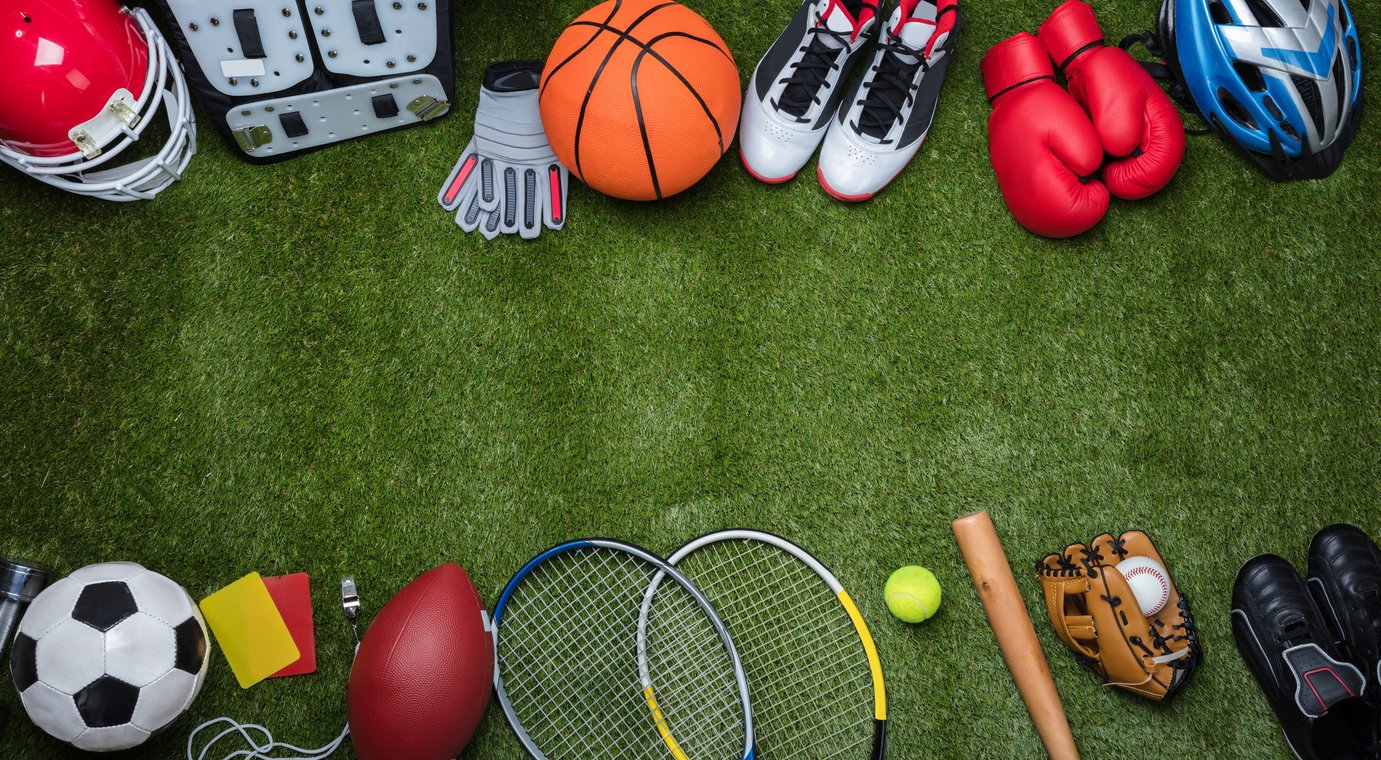
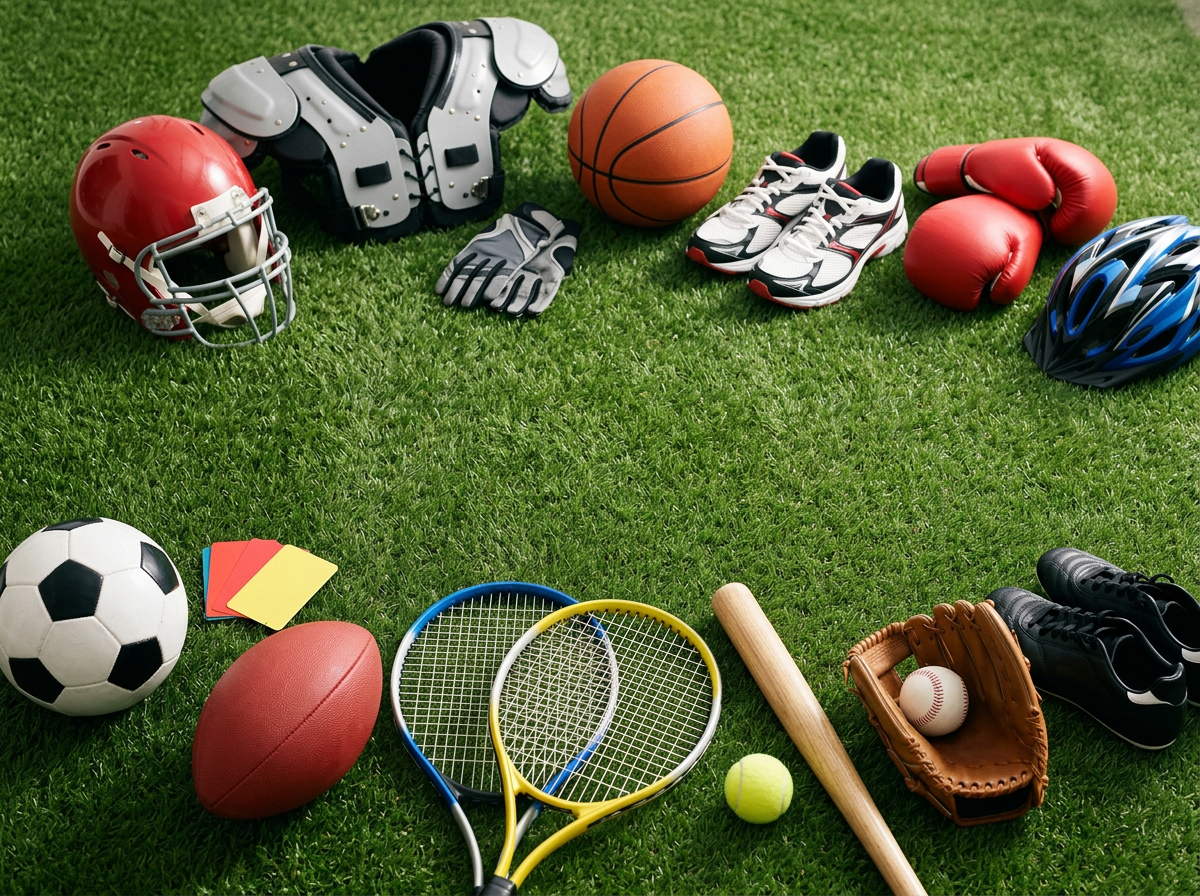
Helmets, mouthguards, shin guards, and pads are standard equipment for many young athletes. However, protective eyewear is often overlooked. Whether your child plays basketball, baseball, soccer, football, racquet sports, or another activity, the right eye protection can help prevent a serious injury.
Common Sports-Related Eye Injuries
Eye injuries can happen when a ball, finger, elbow, piece of equipment, or another player strikes the eye. Common sports-related injuries include:
Scratches on the surface of the eye
Cuts or bruising around the eye
Swelling or a black eye
Bleeding inside the eye
Fractures of the bones surrounding the eye
Retinal damage
Temporary or permanent vision loss
Even an injury that initially appears minor can damage the eye. Children may also have difficulty describing changes in their vision, making it important for parents and coaches to pay close attention after an impact.
Regular Glasses Are Not Sports Protection
Everyday prescription glasses, fashion sunglasses, and contact lenses do not provide adequate protection during sports. In some situations, regular frames or lenses could cause additional injury if they break during impact.
Sports eye protection should be made with impact-resistant polycarbonate lenses and designed for your child’s specific activity. Look for eyewear that meets the appropriate ASTM safety standard for the sport.
Protective eyewear should also:
Fit securely and comfortably
Provide a clear, unobstructed view
Work properly with a helmet or other safety equipment
Include your child’s prescription when needed
Be replaced if it becomes damaged, deeply scratched, or no longer fits
An eye doctor can help you select properly fitted protective eyewear based on your child’s sport, prescription, and visual needs.
What Should You Do After an Eye Injury?
If your child experiences an eye injury, stop play immediately. Do not allow them to return to the game until the injury has been evaluated.
Avoid rubbing or placing pressure on the eye. Do not attempt to remove an object that is stuck in the eye. If necessary, loosely protect the area without pressing on it while seeking medical attention.
Seek immediate care if your child experiences:
Sudden blurry, double, or decreased vision
Severe or continuing eye pain
Blood in or around the eye
An irregularly shaped pupil
Difficulty opening or moving the eye
One eye appearing different from the other
A cut, puncture, or object embedded in the eye
Flashes, floaters, or a dark area in their vision
Nausea, vomiting, dizziness, or headache following an impact
When in doubt, have the injury examined promptly.
Start the Season with Clear, Protected Vision
Good vision helps young athletes track the ball, judge distances, react quickly, and play confidently. A comprehensive eye exam can identify vision changes and help ensure your child has the right prescription and protective eyewear.
Before your child’s next practice or game, schedule an appointment with Reed Family Vision. We can help keep their vision clear, comfortable, and protected throughout the season.


