
Fall and your eyes
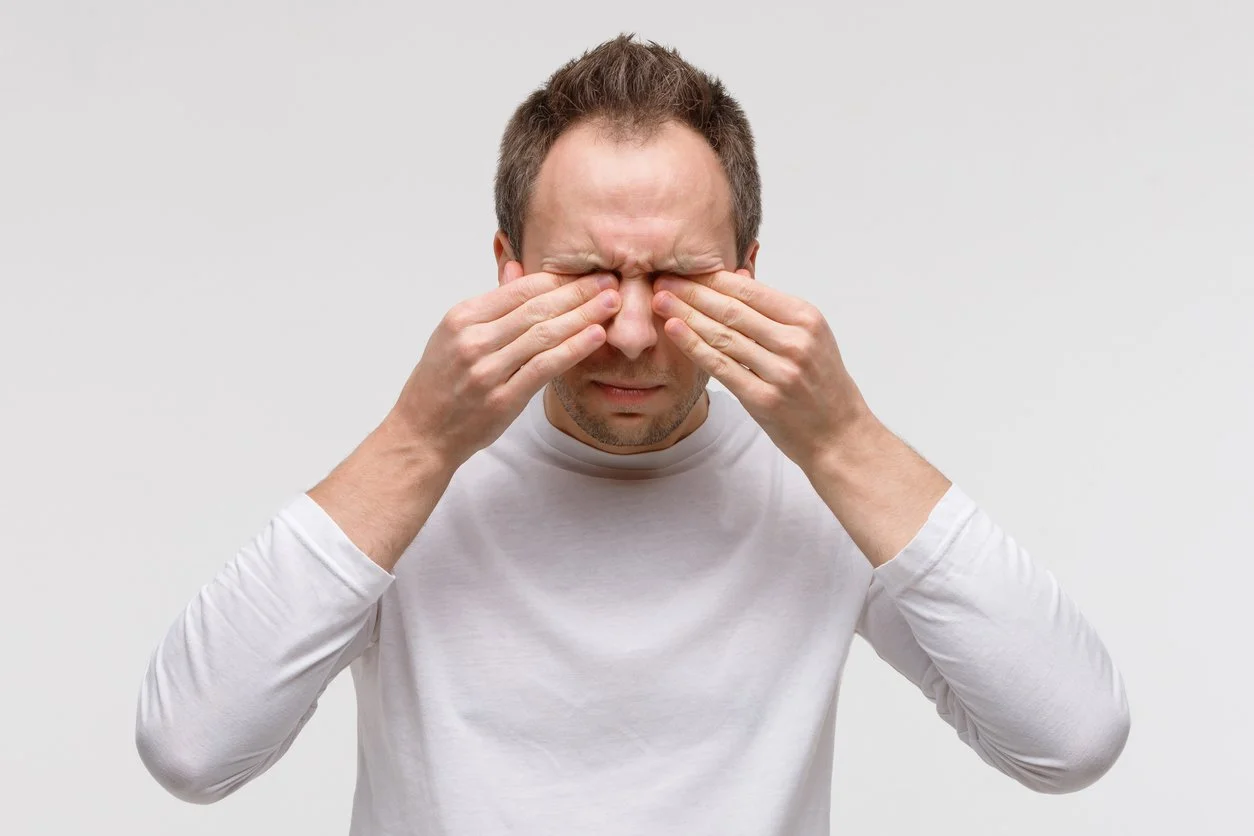
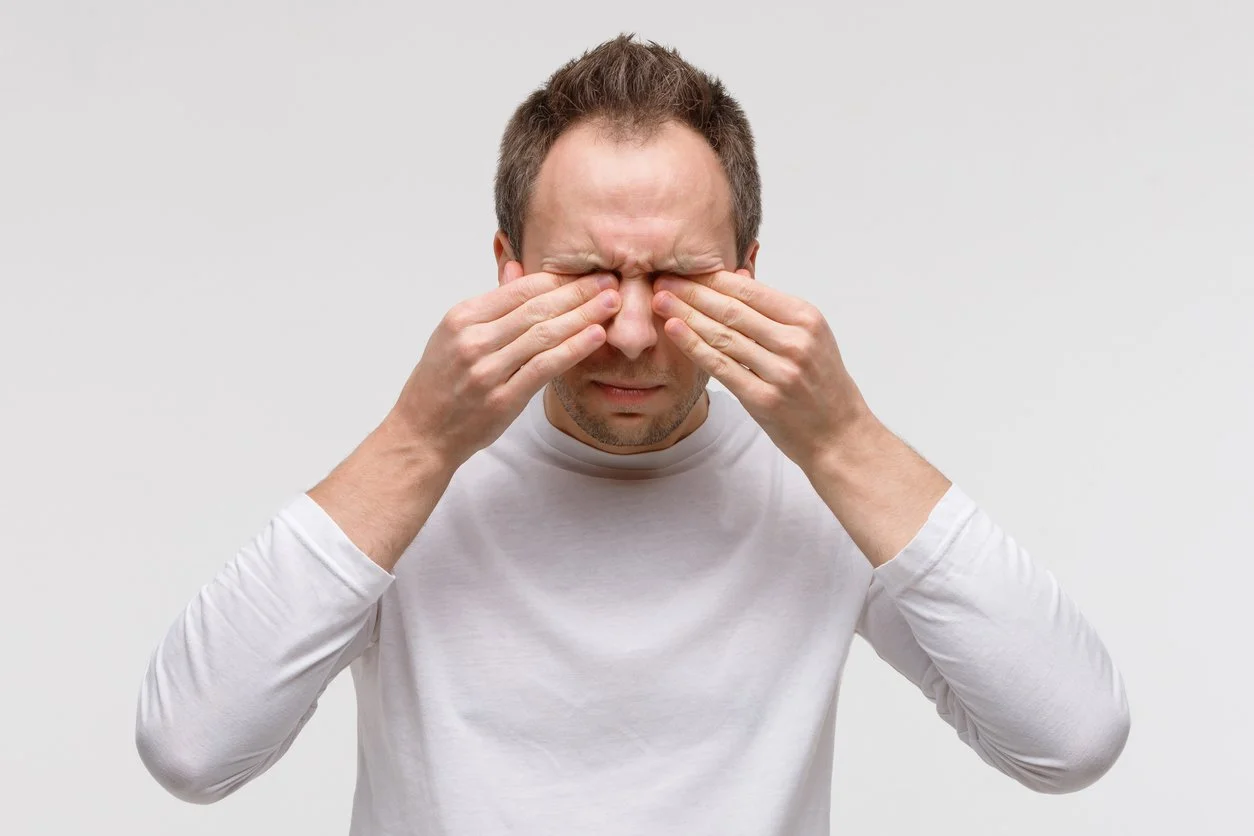
Miserable ichy, watery eyes
Why Are My Eyes So Irritated During the Fall?
Fall brings cooler temperatures, changing leaves, and plenty of reasons to enjoy the outdoors. Unfortunately, it can also bring itchy, watery, burning, and irritated eyes.
If your eyes feel uncomfortable this time of year, you may assume seasonal allergies are to blame. But dry eye disease can cause many of the same symptoms, making it difficult to know what is really happening.
At Reed Family Vision in Olathe, Kansas, we help patients identify the cause of their eye irritation and recommend treatment options to improve comfort and protect eye health.
What Is the Difference Between Eye Allergies and Dry Eye?
The biggest difference between eye allergies and dry eye is what causes the irritation. Eye allergies occur when your immune system reacts to allergens such as pollen, ragweed, or mold. Dry eye develops when your eyes do not produce enough tears or when tears evaporate too quickly.
Although symptoms can overlap, certain signs may help distinguish the two conditions.
Signs You May Have Seasonal Eye Allergies
Fall allergies are often triggered by ragweed pollen, mold spores, and other airborne allergens. Common symptoms include:
Itchy eyes: Intense itching is one of the most common signs of eye allergies.
Watery eyes: Your eyes may produce extra tears in response to allergens.
Redness: The whites of your eyes may appear pink or irritated.
Puffy eyelids: Allergic reactions can cause swelling around the eyes.
Sneezing or a runny nose: Eye allergies frequently occur alongside other seasonal allergy symptoms.
One important clue: If itching is your primary symptom, especially with sneezing or nasal congestion, seasonal eye allergies may be responsible.
Signs You May Have Dry Eye
Dry eye disease occurs when your tears cannot adequately lubricate and protect the surface of your eyes. Common symptoms include:
Burning or stinging sensations
A gritty feeling, as though something is in your eye
Redness and irritation
Blurry or fluctuating vision
Sensitivity to light
Watery eyes
Eye fatigue, especially after screen time
One important clue: If your eyes feel gritty, burn frequently, or become more uncomfortable while reading or using digital devices, dry eye may be contributing to your symptoms.
Why Do My Eyes Water If They Are Dry?
It may sound contradictory, but watery eyes can actually be a symptom of dry eye disease. When the surface of your eyes becomes irritated because of inadequate lubrication, your eyes may respond by producing excess reflex tears. Unfortunately, these tears may not have the right balance of components needed to keep your eyes comfortably lubricated.
Can You Have Eye Allergies and Dry Eye at the Same Time?
Yes. It is possible to experience both seasonal eye allergies and dry eye disease simultaneously. Allergies can aggravate existing dry eye symptoms, and some oral antihistamines used to treat allergies can contribute to dryness. An eye examination can help determine whether allergies, dry eye, or another condition is responsible.
Why Does Fall Weather Make Dry Eye Worse?
Cooler temperatures and lower humidity: Tears may evaporate more quickly.
Indoor heating: Heating systems can reduce indoor humidity.
Windy conditions: Fall winds can accelerate tear evaporation.
Increased screen time: We blink less frequently while concentrating on screens, contributing to dryness.
How Can You Relieve Itchy, Watery, or Burning Eyes?
The best treatment depends on the cause of your symptoms. These steps may help:
Avoid rubbing your eyes, which can increase irritation.
Try a clean, cool compress over closed eyelids to soothe allergy-related itching.
Ask your eye doctor about artificial tears to relieve dryness or rinse away allergens.
Reduce exposure to pollen and other allergens; wash your hands after outdoor activities.
Take screen breaks using the 20-20-20 rule: every 20 minutes, look 20 feet away for at least 20 seconds.
Schedule an eye examination if symptoms persist, worsen, or interfere with daily life.
Important: Sudden vision changes, significant eye pain, pronounced light sensitivity, or severe redness require prompt medical evaluation. Do not assume these symptoms are simply allergies or dry eye.
How Does Reed Family Vision Diagnose Eye Allergies and Dry Eye?
At Reed Family Vision in Olathe, Kansas, we understand that eye irritation can affect reading, working, driving, and time outdoors. During an eye examination, your optometrist may evaluate:
Your symptoms and medical history
The health of your eyelids and eye surface
Your tear film and tear production
Signs of inflammation or allergic reactions
Other possible causes of eye discomfort
Based on the findings, your eye doctor can recommend an individualized treatment plan. Treatment may include lubricating eye drops, allergy medications, environmental changes, or additional dry eye therapies when appropriate.
Frequently Asked Questions About Fall Eye Allergies and Dry Eye
How do I know if my itchy eyes are caused by allergies or dry eye?
Intense itching is more commonly associated with eye allergies, while burning, grittiness, and fluctuating vision are often associated with dry eye. Symptoms overlap, so an examination can determine the cause.
Can seasonal allergies cause dry eyes?
Seasonal allergies can worsen eye surface irritation and existing dry eye symptoms. Some oral antihistamines may also increase dryness.
Why are my eyes watering and burning at the same time?
Watery, burning eyes may be caused by dry eye, seasonal allergies, or another condition. Dry eye irritation can trigger reflex tearing.
What causes itchy eyes in the fall in Kansas?
Common fall allergens in Kansas include ragweed pollen and outdoor mold spores.
Can dry eye cause blurry vision?
Yes. An unstable tear film can cause intermittent blurry vision that may improve after blinking. Sudden vision changes require prompt evaluation.
Should I use allergy eye drops or dry eye drops?
The right drops depend on the cause. Artificial tears may help dryness and rinse away allergens, while some antihistamine drops relieve allergy-related itching. Ask your optometrist which to use.
When should I see an eye doctor for irritated eyes?
Schedule an exam if irritation persists or interferes with daily activities. Seek urgent evaluation for sudden vision changes, significant pain, severe redness, or pronounced light sensitivity.
Don’t Let Fall Eye Irritation Keep You From Enjoying the Season!
Itchy, watery, burning, or irritated eyes are not something you simply have to live with. Whether you are dealing with seasonal allergies, dry eye disease, or both, understanding the cause is the first step toward relief.
At Reed Family Vision in Olathe, Kansas, we are here to help you see clearly and comfortably in every season. Schedule your eye exam with Reed Family Vision today!


