Night Driving Getting Harder?
Glare and halos aren't always caused by age. Schedule a comprehensive eye exam today.
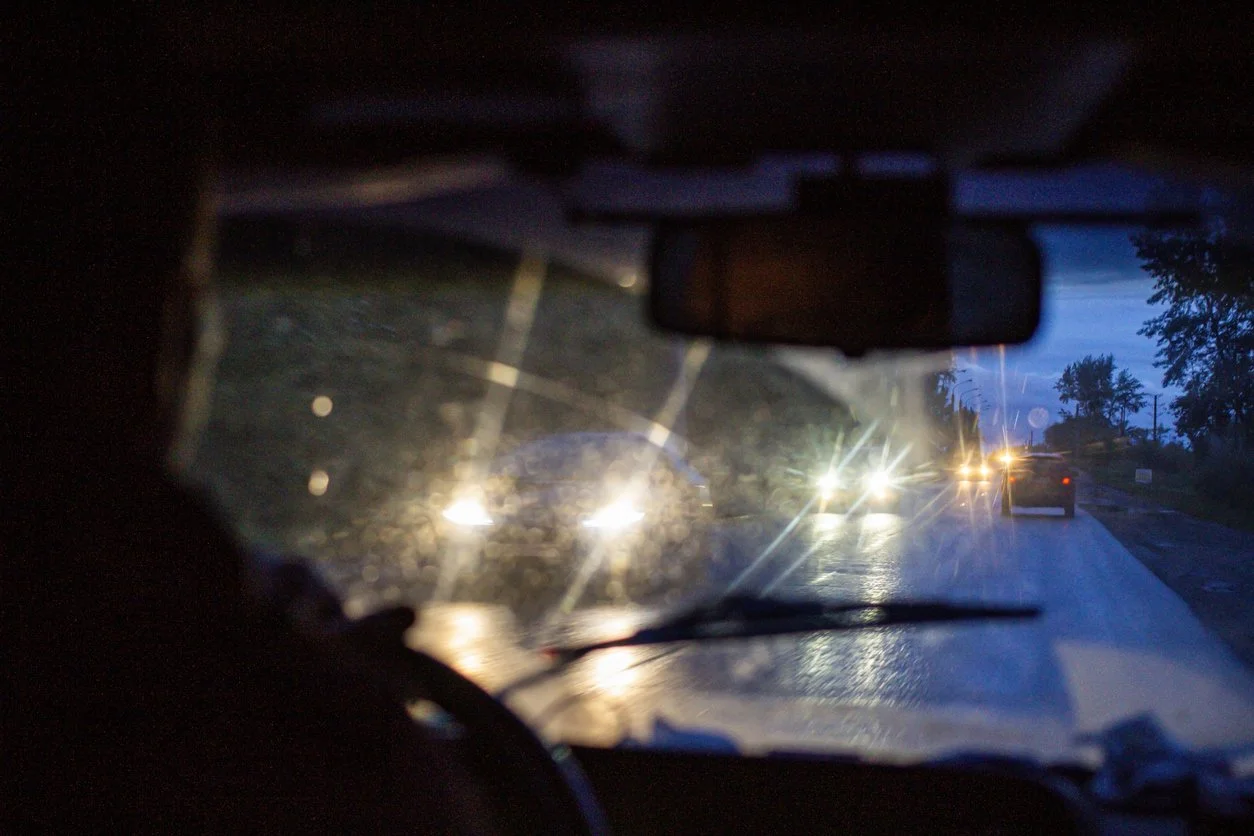
Driving at night can become more challenging over time, but it is a common misconception that poor night vision is simply a normal part of aging. While our eyes naturally change as we get older, increased glare, halos around headlights, or difficulty seeing in dim light can also be signs of an underlying vision problem that deserves attention.
If you've found yourself avoiding driving after dark or feeling less confident behind the wheel, it may be time to schedule a comprehensive eye exam.
Why Is Night Driving More Difficult?
Night driving requires your eyes to adjust quickly to changing light conditions. Oncoming headlights, streetlights, and dark roadways all place extra demands on your vision. When your eyes are not functioning at their best, these conditions can make driving stressful and even unsafe.
Common symptoms include:
Glare from oncoming headlights
Halos around lights
Difficulty seeing road signs
Trouble judging distances
Reduced contrast sensitivity
Eye fatigue during nighttime driving
While these symptoms often become more noticeable with age, they should never be dismissed as "just getting older."
What Could Be Causing Your Night Vision Problems?
Several eye conditions can affect your ability to see clearly after dark, including:
Cataracts
As the natural lens of the eye becomes cloudy, light scatters more easily, creating glare and halos while reducing overall clarity.
Uncorrected Vision Changes
Even a small change in your prescription can make nighttime driving significantly more difficult.
Dry Eye Disease
A poor tear film can cause fluctuating vision, increased glare, and discomfort, especially during long drives.
Early Eye Diseases
Conditions such as glaucoma or retinal disorders may first affect your peripheral or low-light vision before you notice changes during the day.
How a Comprehensive Eye Exam Can Help
A comprehensive eye exam is about much more than determining whether you need new glasses. During your visit, your optometrist evaluates the overall health of your eyes and looks for early signs of conditions that may affect your vision.
Early detection allows many eye conditions to be managed before they significantly impact your daily life or your ability to drive safely.
If your prescription has changed, updating your glasses or discussing specialty lenses designed to reduce glare may also improve your nighttime vision.
Don't Ignore the Warning Signs
If you've started avoiding nighttime driving, asking someone else to drive after dark, or simply feel less confident behind the wheel, it's worth having your eyes evaluated. Vision changes often happen gradually, making them easy to overlook until they begin interfering with everyday activities.
Drive with Confidence
At Reed Family Vision, we're committed to helping patients of all ages enjoy clear, comfortable vision day and night. Whether your symptoms are caused by a simple prescription change or an underlying eye condition, a comprehensive eye exam can provide answers and help protect your long-term eye health.
Don't let poor night vision keep you off the road. Schedule your comprehensive eye exam with Reed Family Vision today and enjoy safer, clearer driving after dark.


